























Key Product Features
Everything you need to know
Standard Size
The #1 most requested nautical dimension, proportioned perfectly for boat rails, car window mounts, and ATV flag poles.
Enhanced Weave
Upgraded fabric density resists high-wind marine tearing and structural stretching far better than standard thin polyester flags.
State Heritage
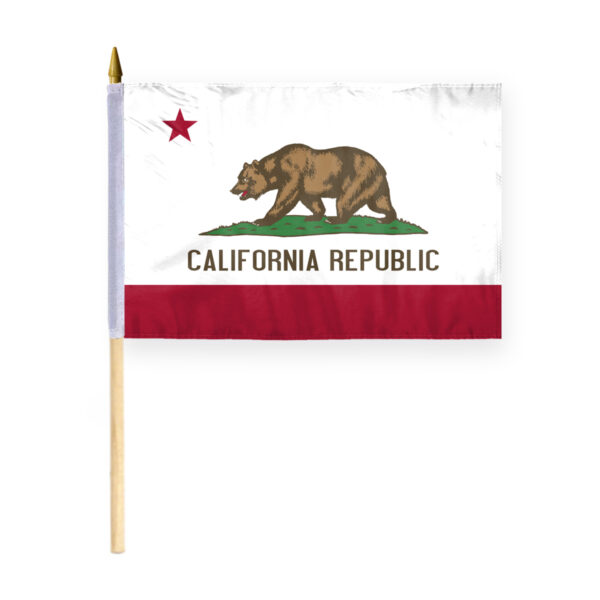
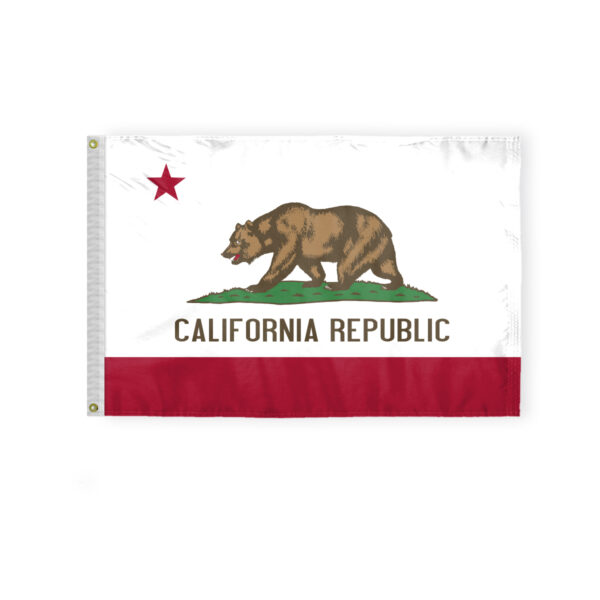
Iconic traditional Bear Flag design featuring the California Grizzly Bear, Red Star, and "California Republic" text.
Rust-Free Hardware
Two corrosion-resistant marine brass grommets anchored inside a heavy white canvas header for secure rail or pole locking.
Anti-Fraying
Reinforced lock-stitching along the borders and a 4-row stitched fly end prevents premature thread unraveling in high-speed boat wakes.
California State Boat Flag 12 x 18 inch
The PromoPatriot 12x18 Inch California State Boat Flag combines local heritage with modern outdoor durability. Constructed from an upgraded, thicker 200D nylon weave with a 100% bleed-through reverse print, double lock-stitched fly ends, and solid brass grommets, this banner honors the state while outperforming thin, standard novelty flags in everyday wind, weather, and open-water highway speeds.
- ✓ 12x18 In Profile — The #1 most requested nautical dimension, proportioned perfectly for boat rails, car window mounts, and ATV flag poles.
- ✓ 200D Heavyweight Nylon — Upgraded fabric density resists high-wind marine tearing and structural stretching far better than standard thin polyester flags.
- ✓ Bear Flag Republic Design — Iconic traditional Bear Flag design featuring the California Grizzly Bear, Red Star, and "California Republic" text.
- ✓ Solid Brass Grommets — Two corrosion-resistant marine brass grommets anchored inside a heavy white canvas header for secure rail or pole locking.
- ✓ Double Stitched Edges — Reinforced lock-stitching along the borders and a 4-row stitched fly end prevents premature thread unraveling in high-speed boat wakes.
| Product Name | PromoPatriot California State Boat Flag 12 x 18 inch - Single Sided Reverse Bleed-Through Printed 200D Nylon - Brass Grommets, Fade-Resistant California Flag for Boat, Car & Marine Display |
| SKU / Part No. | B0505 |
| Design | Bear Flag Republic (California Grizzly & Red Star) |
| Flag Size | 12 x 18 in |
| Material | 200D Heavyweight Nylon |
| Print Type | Single Sided Reverse Bleed |
| Header | Heavy-Duty White Canvas Header |
| Grommets | 2 Solid Brass Grommets |
| UV Resistance | Yes — Fade-Resistant Dyes |
-
Free Standard Shipping
Standard delivery 3–5 business days. Expedited options available at checkout. Orders placed before 2 PM EST ship same day.
-
30-Day Hassle-Free Returns
Not 100% satisfied? Return within 30 days for a full refund. Items must be in original, unused condition.
Why Choose Us
The Difference is in the Details
| Feature | Our Flag | Typical Flag |
|---|---|---|
| Single Sided Reverse Bleed | Printed (Thin Bleed) | |
| Fly End | 4-Row Double Stitched | Single Stitch |
| Fabric | 200D Marine Nylon | 75D Polyester |
| Grommets | Solid Brass | Stamped Steel |
| UV Protection | Yes | Limited |
Satisfaction Guaranteed
30-day hassle-free returns. If you're not satisfied, we'll make it right.
Care & Maintenance
Keep your product looking its best
-
Washing
Hand wash or use a gentle machine cycle with cold water and mild detergent to prevent color bleeding.
-
Drying
Always air dry the flag thoroughly before storing; never use a high-heat tumble dryer.
-
High Winds
Take the flag down during severe storms or high-speed highway travel to prevent premature fraying.
-
Storage
Fold neatly and store in a cool, dark, dry place away from direct sunlight when not in use.
-
Thread & Fraying
Periodically inspect the fly end and trim loose threads immediately to prevent the seams from unraveling.
Trusted by homes & businesses nationwide
To homes & businesses nationwide
Hassle-free, no questions asked
Based on verified customer surveys
Frequently Asked Questions
Everything you need to know about the California State Boat Flag 12 x 18 inch - Single Sided Reverse Bleed-Through Printed 200D Nylon - Brass Grommets, Fade-Resistant California Flag for Boat, Car & Marine Display
The California Grizzly Bear represents strength and independence — it was chosen to honor the Bear Flag Republic uprising of 1846, when American settlers declared independence from Mexico. The red star in the upper left corner was inspired by the lone star of Texas and symbolizes California's sovereignty. The text 'California Republic' commemorates that short-lived republic. The California Grizzly bear is now extinct, making its presence on the flag historically significant.
This flag is printed using a single-sided reverse bleed-through technique, visible on both faces. 200D Nylon refers to the fabric weight — 200 denier is significantly thicker and stronger than the 75D polyester used in most economy flags.
Yes. The 12x18 inch size is the standard nautical and car-mount dimension, compatible with boat rail clamps, standard car window flag holders, ATV whips, and golf cart flag mounts.
Yes. The 200D marine nylon is engineered for all-weather outdoor use including rain, salt air, and direct California UV exposure. For longest lifespan, bring it in during severe storms.
Yes. The single-sided reverse bleed-through print ensures the California design is legible from both sides. The colors will appear mirrored on the back, which is standard for all printed flags.
Yes. The 12x18 format and brass grommets make it compatible with boat rails, truck window mounts, ATV whips, golf carts, and sissy bar mounts. It is not designed for full-size residential flagpoles.
 USA American Printed Flags
 USA Embroidered American Flags – Cotton
 USA Embroidered Ceremonial Flags With Gold Fringe
 USA American Printed Stick Flags
 USA American Patriotic Flat Flags
 USA Pleated Fan Flags
 USA Garden Flags
 USA Toothpick Flags
 USA Streamers
 USA Pull Down Flags
 USA Windsocks
 USA American Car Flags
 USA Official Sizes Embroidered Flags
 Alabama
 Alaska
 Arizona
 Arkansas
 California
 Colorado
 Connecticut
 Delaware
 District of Columbia
 Florida
 Georgia
 Hawaii
 Idaho
Idaho Indiana
 lowa
lowa Illinois
 Kansas
 Kentucky
 Louisiana
 Maine
Maine Maryland
 Massachusetts
 Michigan
 Minnesota
 Mississippi
 Missouri
 Montana
 Nebraska
 Nevada
 New Hampshire
 New Jersey
 New Mexico
 New York
 South Carolina
 North Carolina
 North Dakota
 Ohio
Ohio Oklahoma
 Oregon
 Pennsylvania
 Puerto Rico
 Rhode Island
 South Dakota
 Tennessee
 Texas
Texas Texas Sewn
 Utah
Utah Vermont
 Virgin Islands
 Virginia
 Washington
 West Virginia
 Wisconsin
 Wyoming
 Air Force
 Air Force Retired
 Coast Guard
 Coast Gaurd Retired Flags
 Navy
Navy U.S. Army
 U.S. Army Retired
 Support Our Troops – Camou
 Support Our Troops – Yellow
 Prisoners Of War Flags -Black
 Prisoners Of War Flags – Red
 Special Military Flags
 Civilian Flags
 Abkhazia
 Afghanistan
 Aland
Aland Albania
 Alderney
 Algeria
 American Samoa
 Andorra Flags With Seal
 Andorra Flags Without Seal
 Angola
 Anguilla
 Anjoun
 Antarctica -Whitney Smith
 Antarctica – Graham Bartran
 Antigua & Barbuda
 Argentina With Seal
 Argentina Without Seal
 Armenia
 Aruba
Aruba Asean
Asean Australia
 Austria With Seal
 Austria Without Seal
 Azerbaijan
 Azores
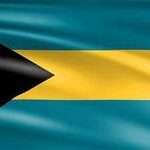 Bahamas
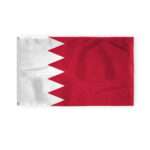 Bahrain
 Bangladesh
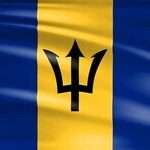 Barbados
 Basque Lands
 Belgium
 Belize
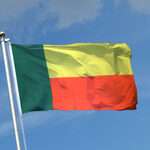 Benin
Benin Bermuda
 Bhutan
 Bolivia With Seal
 Bolivia Without Seal
 Bonaire
 Bosnia – Herzegovina
 Botswana
 Bouvent Island
 Brazil
 British Indian Ocean Territory
 British Virgin Islands
 Brunei
 Burundi
 Cambodia
 Cameroon
 Canada
 Canary Islands With Seal
 Canary Islands Without Seal
 Cape Verde
 Catalonia
 Cayman Islands
 Central African Republic
 Chad
Chad Chile
Chile China
China Christmas Island
 Colombia
 Comoros
 Congo, Democratic Republic Of
 Congo, Republic Of
 Cook Islands
 Costa Rica With Seal
 Costa Rica Without Seal
 Croatia
 Cuba
Cuba Curacao
 Cyprus
 Czech Republic
 Denmark
 Djibouti
 Dominica
 Dominican Republic With Seal
 Dominican Republic Without Seal
 East Timor
 Ecuador With Seal
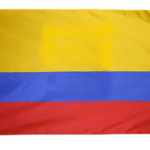 Ecuador Without Seal
 Egypt
Egypt EL Salvador With Seal
 EL Salvador Without Seal
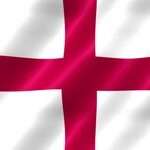 England
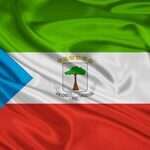 Equatorial Guinea
 Eritrea
 Estonia
 Ethiopia
 European Union
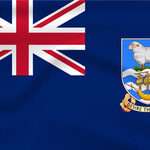 Falkland Islands
 Faroe Islands
 Fiji
Fiji Finland
 France
 French Guyana
 French Polynesia
 Gabon
Gabon Gambia
 Georgia
 Germany With Seal
 Germany Without Seal
 Ghana
Ghana Gibraltar
 Greece
 Greenland
 Grenada
 Guadeloupe
 Guam
Guam Guatemala With Seal
 Guatemala Without Seal
 Guernsey
 Guinea
 Guinea-Bissau
 Guyana
 Haiti with Seal
 Haiti No Seal
 Honduras
 Hong Kong
 Hungary
 Iceland
 Ichkeria
 India
India Indonesia
 Iran
Iran Iraq 2004
 Iraq New
 Ireland
 Isle of Man
 Italy
Italy Ivory Coast
 Jamaica
 Japan
Japan Jersey
 Jordan
 Kazakhstan
 Kenya
Kenya Korea (South)
 Korea (North)
 Kurdistan
 Kuwait
 Kyrgyzstan
 Laos
Laos Latvia
 League of Arab States
 Lebanon
 Lesotho
 Liberia
 Libya
Libya Liechtenstein
 Lithuania
 Lord Howe Island
 Luxembourg
 Macao
Macao Macedonia
 Madagascar
 Madeira
 Malawi
 Malaysia
 Maldives
 Mali
Mali Malta
Malta Marshall Islands
 Martinique
 Mauritania
 Mauritius
 Mayotte
 Mexico
 Micronesia
 Moldova
 Monaco
 Mongolia
 Montenegro
 Montserrat
 Mozambique
 Myanmar
 Namibia
 Nato
Nato Nauru
Nauru Netherlands
 Netherlands Antillies
 Nevis
Nevis New Caledonia
 New Zealand
 Nicaragua With Seal
 Nicaragua Without Seal
 Niger
Niger Nigeria
 Niue
Niue Norfolk Island
 Northern Mariana Islands
 Norway
 Oman
Oman Organization Of African Unity
 Pacific Community
 Pakistan
 Palau
Palau Panama
 Papua New Guinea
 Paraguay
 Peru With Seal
 Philippines
 Pitcairn Islands
 Poland With Seal
 Poland No Seal
 Portugal
 Qatar
Qatar Reunion
 Romania
 Russia
 Rwanda
 Samoa
Samoa San Marino With Seal
 San Marino No Seal
 Sao Tome & Principe
 Saudi Arabia
 Scotland
 Scotland (With Lion)
 Senegal
 Serbia With Seal
 Serbia
 Seychelles
 Sicily
 Sierra Leone
 Singapore
 Slovakia
 Slovenia
 Solomon Islands
 Somalia
 Somaliland
 South Africa
 South Pacific Commission
 Spain With Seal
 Spain No Seal
 Sri Lanka
 St Helena
 St Kitts
 St. Lucia
 St.Vincent
 Sudan
Sudan South Sudan
 Swaziland
 Sweden
 Switzerland
 Tahiti
 Taiwan
 Tajikistan
 Tanzania
 Thailand
 Tibet
Tibet Togo
Togo Tonga
Tonga Trinidad Tobago
 Tunisia
 Turkey
 Turkmenistan
 Turks and Caicos
 Tuvalu
 Uganda
 United Kingdom/Union Jack
 Ukraine
 United Arab Emirates
 United Nations
 Uruguay
 USSR
USSR Uzbekistan
 Vanuatu
 Venezuela With Seal
 Venezuela No Seal
 Vietnam
 South Vietnam
 Wales
Wales Wallis & Futuna
 Yemen
Yemen Yugoslavia
 Zaire
Zaire Zambia
 Zimbabwe
 4X6 INCH Mini Racing Stick Flags
 24X30 INCH Racing Flags
 30X30 INCH Checkered Racing Flags
 Checkered Premium Car Flags
 Calico Jack Reckham Pirate Design
 Classic Jolly Roger Pirate Design
 Henry Every Pirate Design
 One Eyed Jack Pirate Design
 Pirate Hat Design
 Buddhist Flags
 Christian Flags
 Episcopal Flags
 Islamic Flags – Black Seal
 Islamic Flags – White Seal
 Israel- Zion Flags
 Jesus Fish Flags
 Lutheran Rose
 Methodist Flags
 Papal Flags
 Presbyterian Religious Flags
 United Church of Christ Flags
 Bow Pennants
 Code & Answering Pennant
 International Maritme Code Flags
 Message Flags
 Nautical Officers Flags
 Novelty Boat Flags
 Number Pennant
 Substitute Pennants
 Yacht Flags
 Numbered Golf Flags -Black Text On Yellow- Tube
 Numbered Golf Flags -Red Text On White- Tube
 Numbered Golf Flags -White Text On Red – Grommet
 Numbered Golf Flags -White Text On Red – Tube
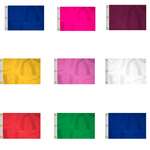 Plain Golf Flags With Grommets
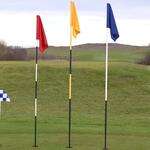 Plain Golf Flags With Tube
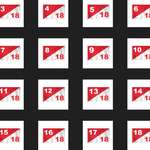 Semaphore Golf Flags -Numbers 1-18 – Tubed
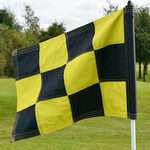 14X18 INCH Golf Direction Flags
 12″X18″ – 19th Hole Golf Flag
 Ecology Flag
 Blue Peace Flag
 15′ Universal Peace Streamers
 Earth Flag
 American Peace Flag
 Embroidered Peace Symbol Flags
 Peace Symbol Flags
 4″X6″ Historical Stick Flags
 First Navy Jack
 Betsy Ross Flags
 Bennington Flag
 Gadsden Flag
 Happy Valentines Day
 St Patricks Day
 Blank Flags
 Funeral Flags
 Halloween Flags
 State MotorCycle Flags
Reviews
There are no reviews yet.